Moths
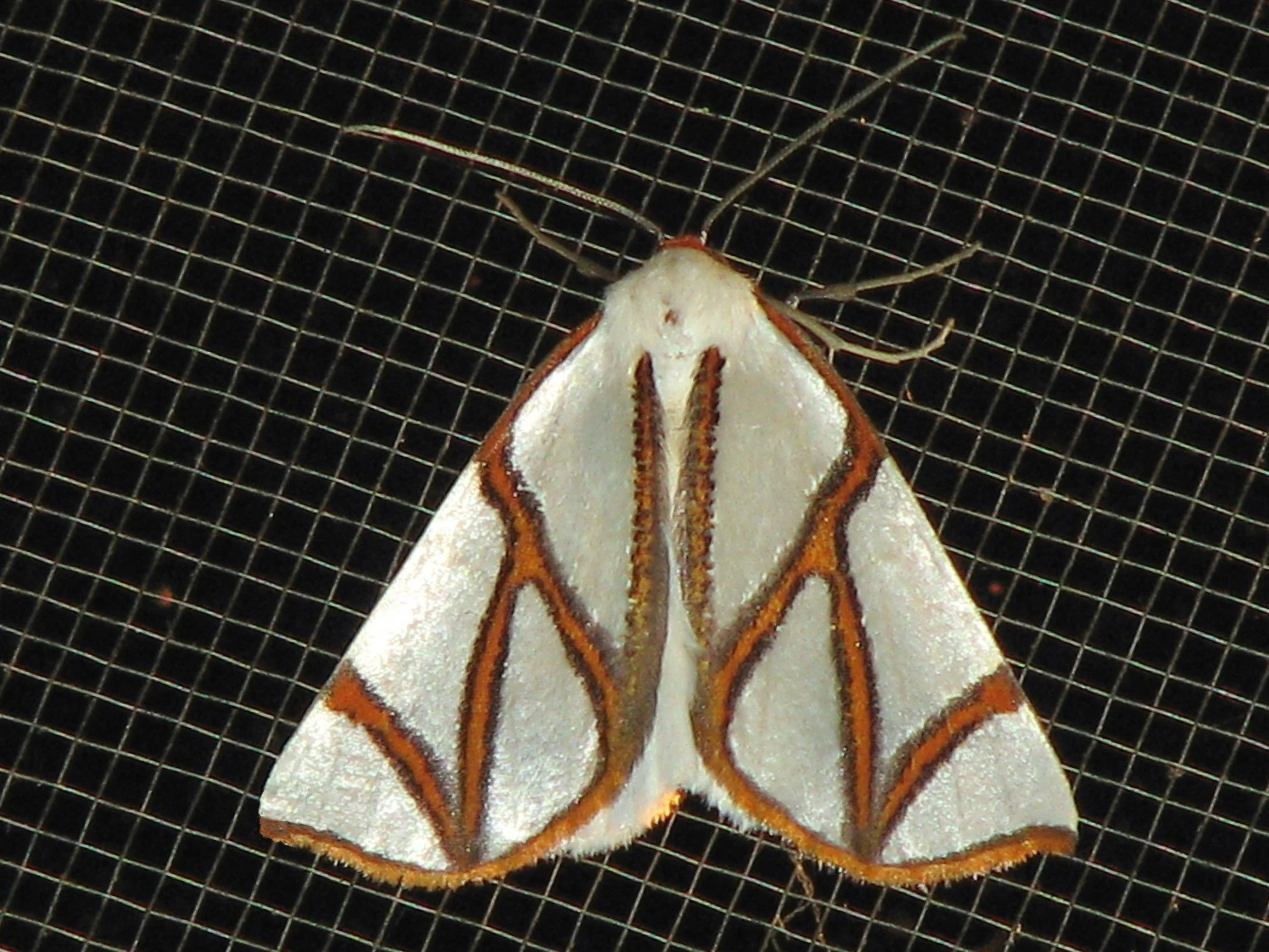
Thalaina clara
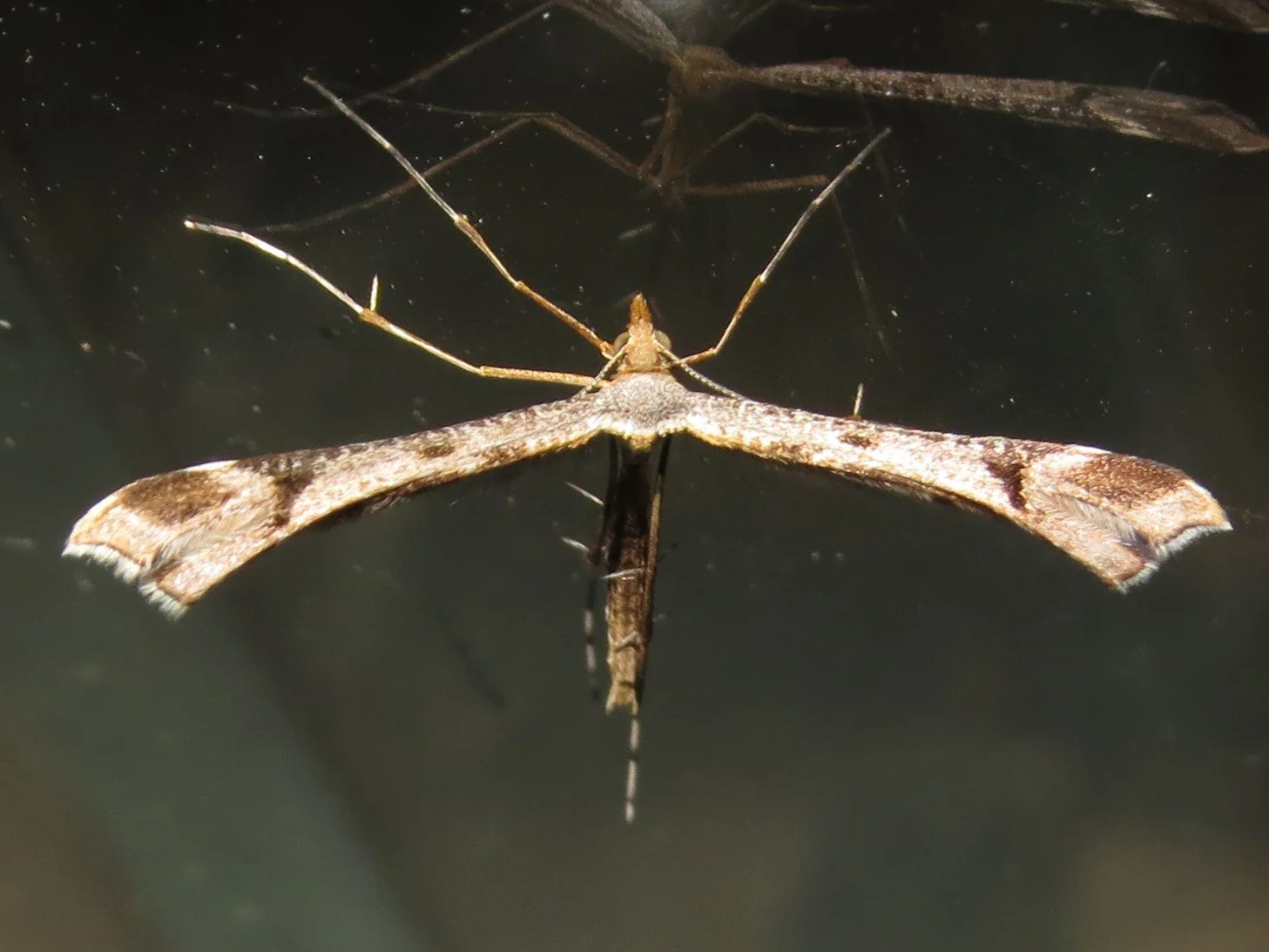
Sinpunctiptilia emissalis
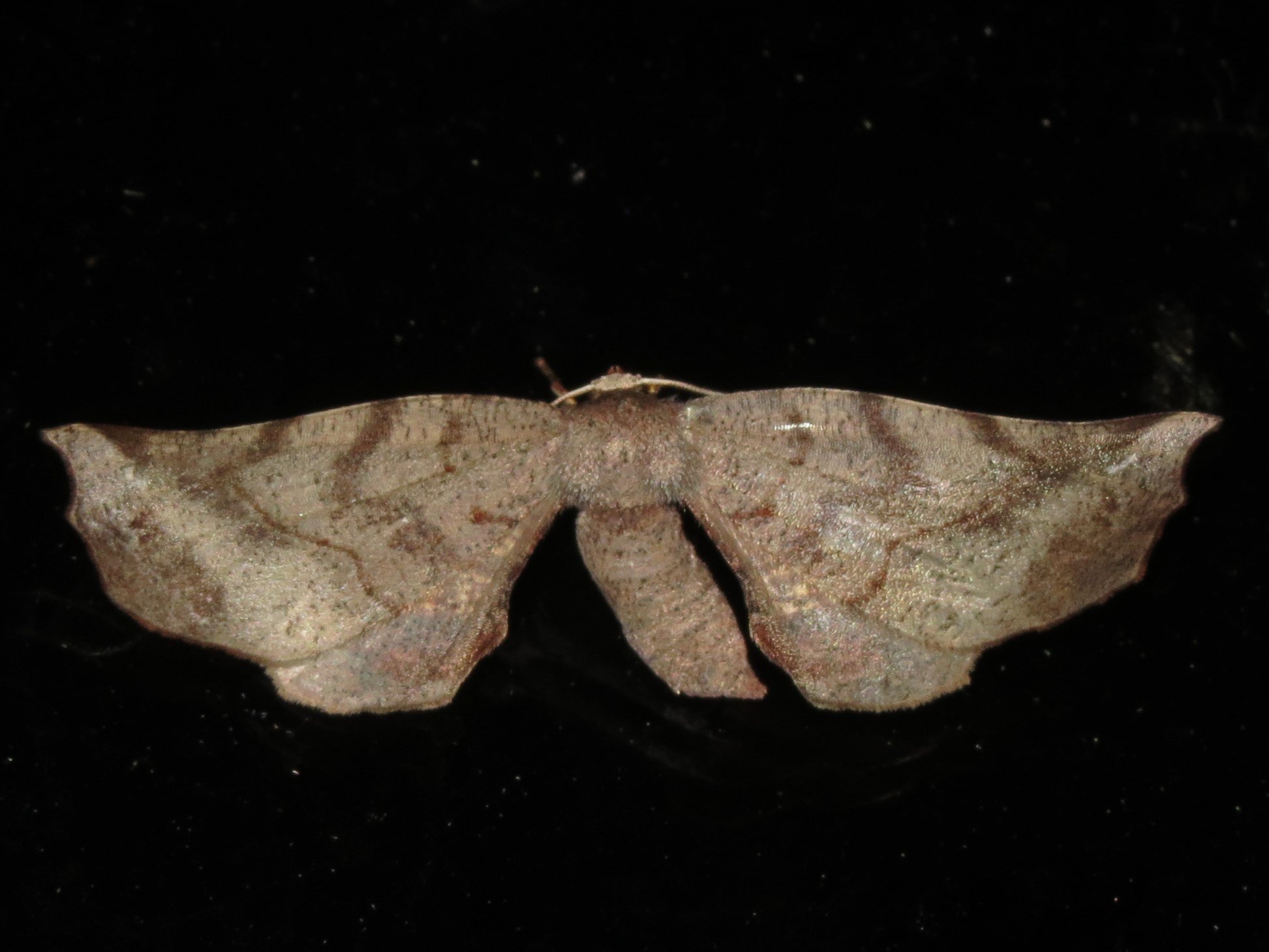
Parepisparis excusata
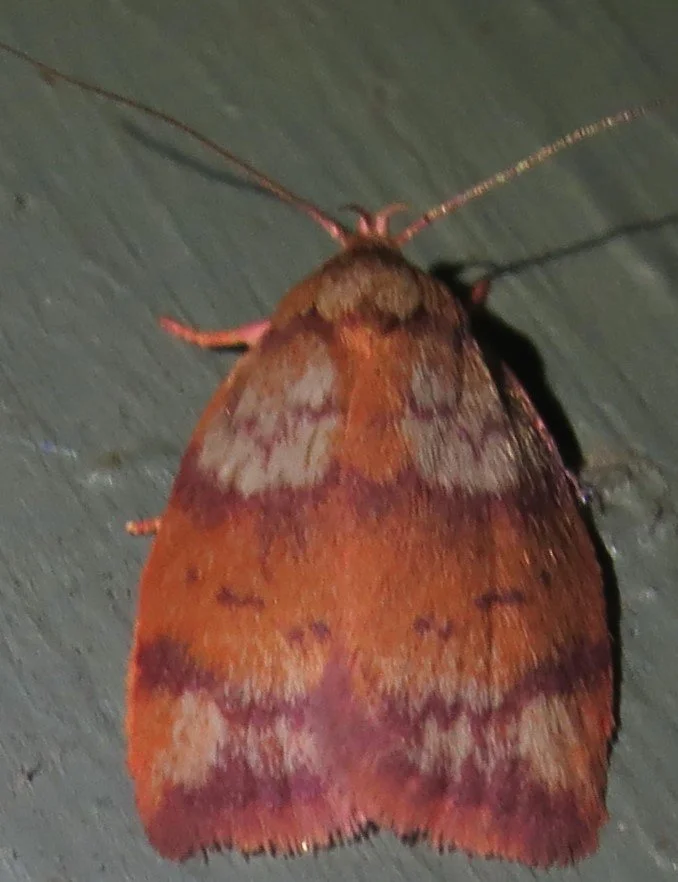
Euchaetis rufogrisea
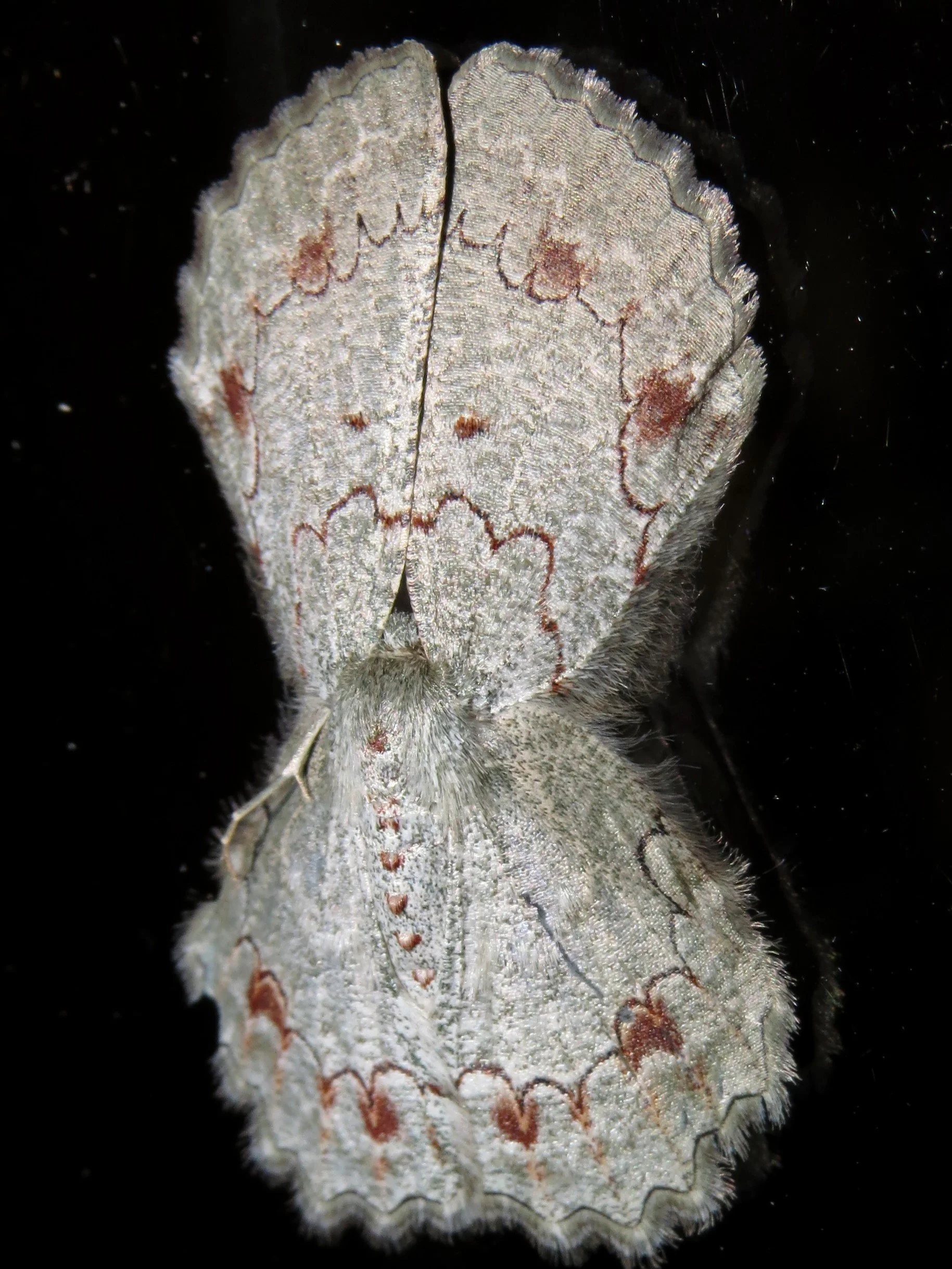
Pingasa cinerea
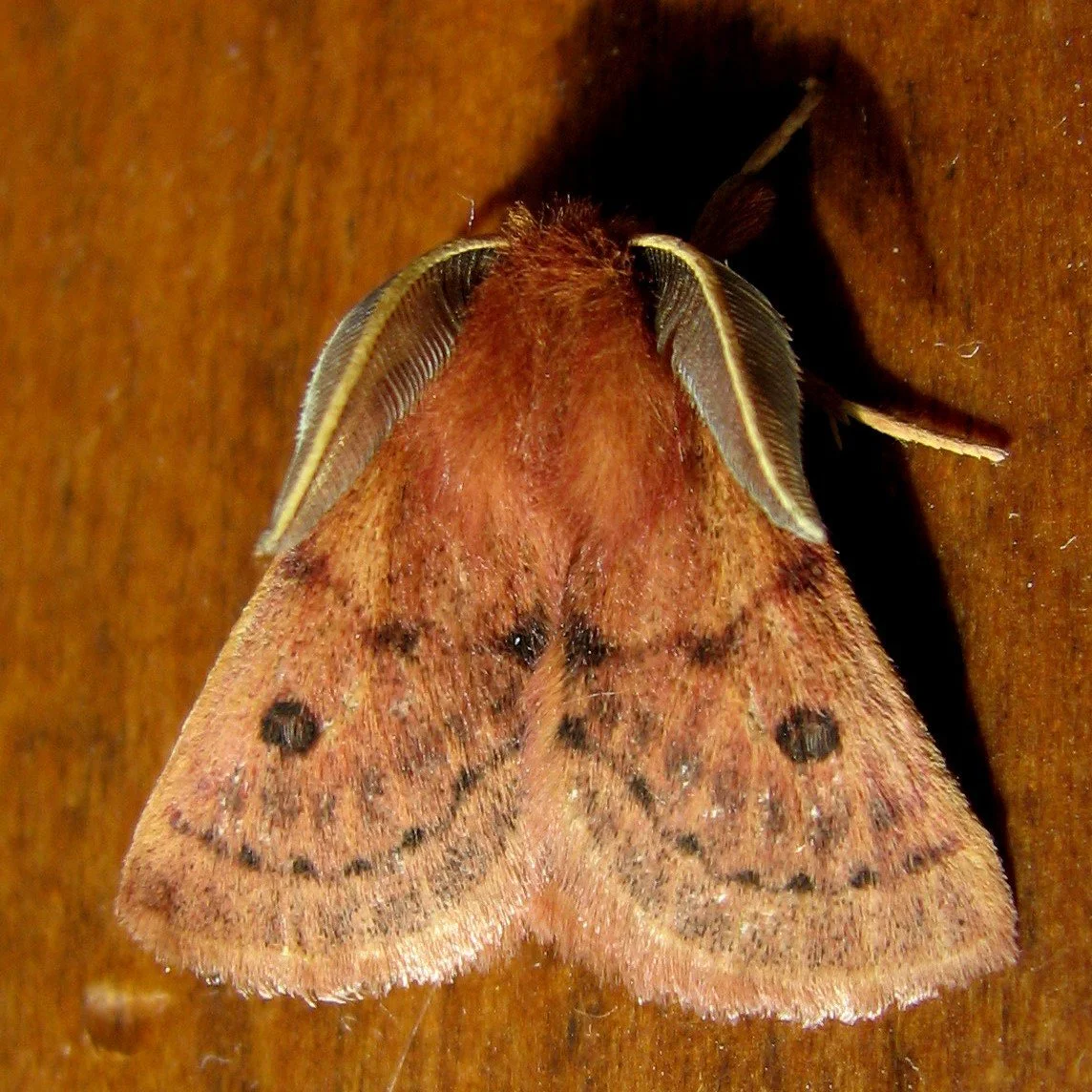
Anthela ferruginosa
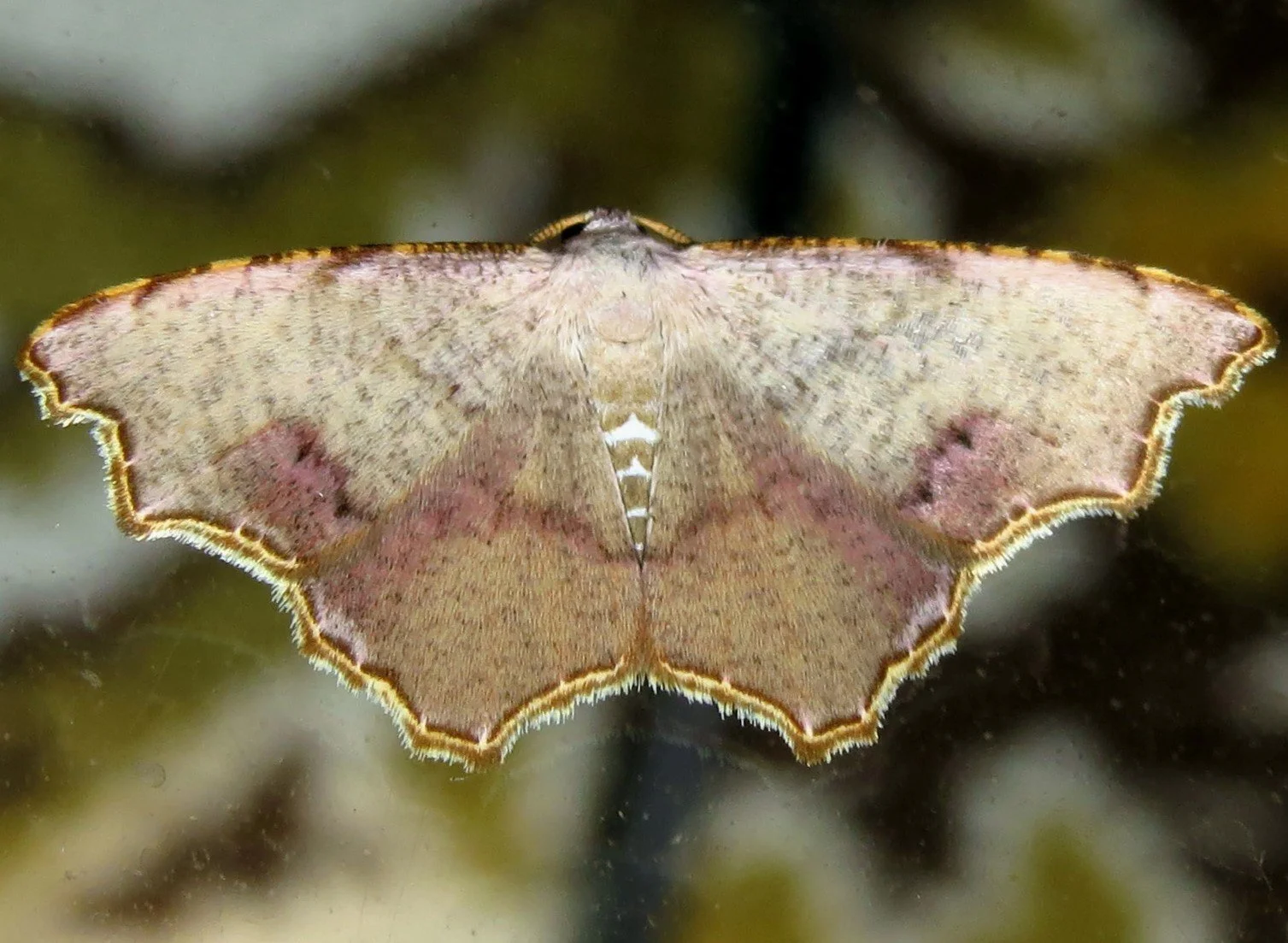
Epicompsa xanthocrossa
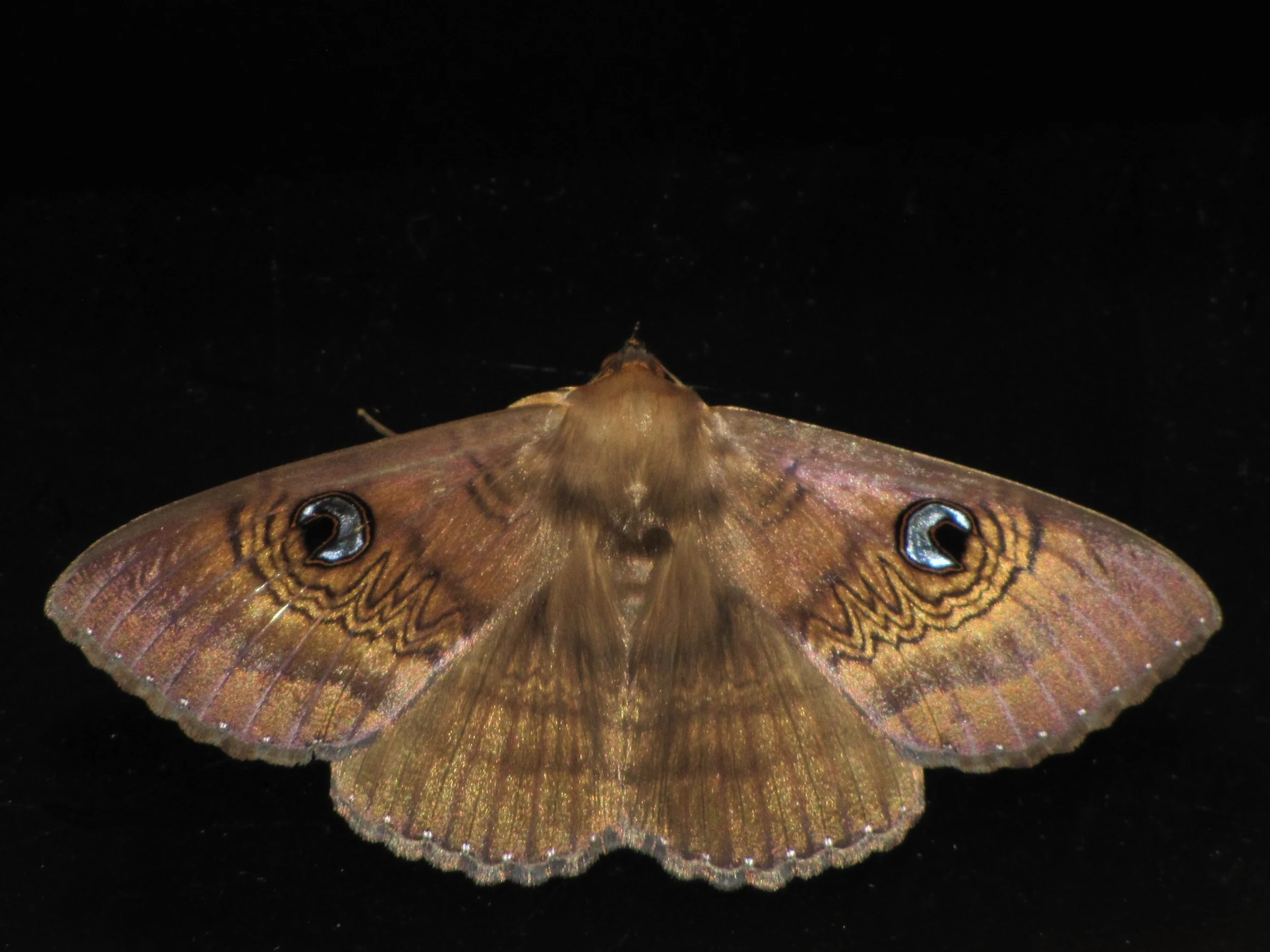
Dasypodia selenophora
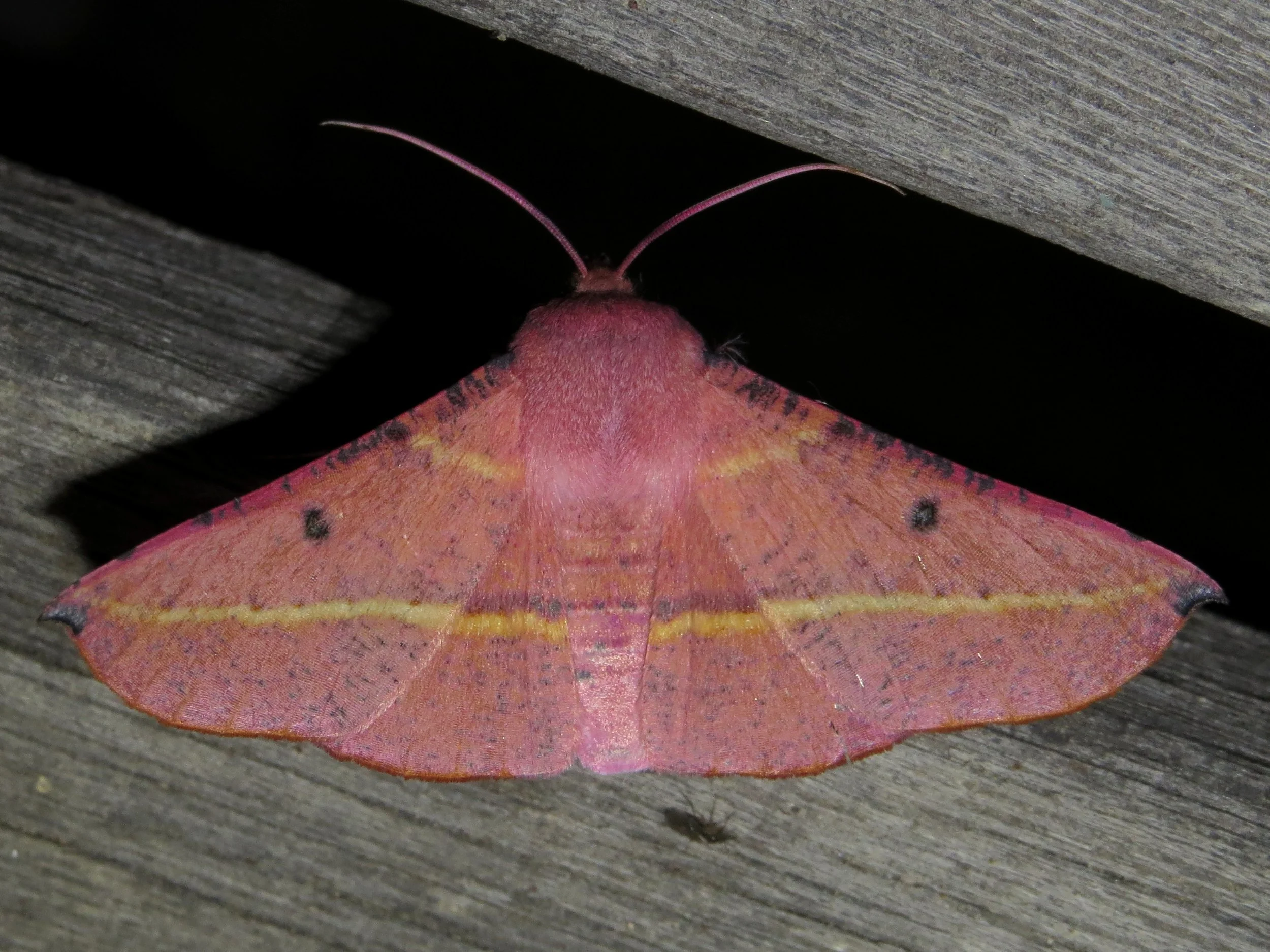
Oenochroma vinaria
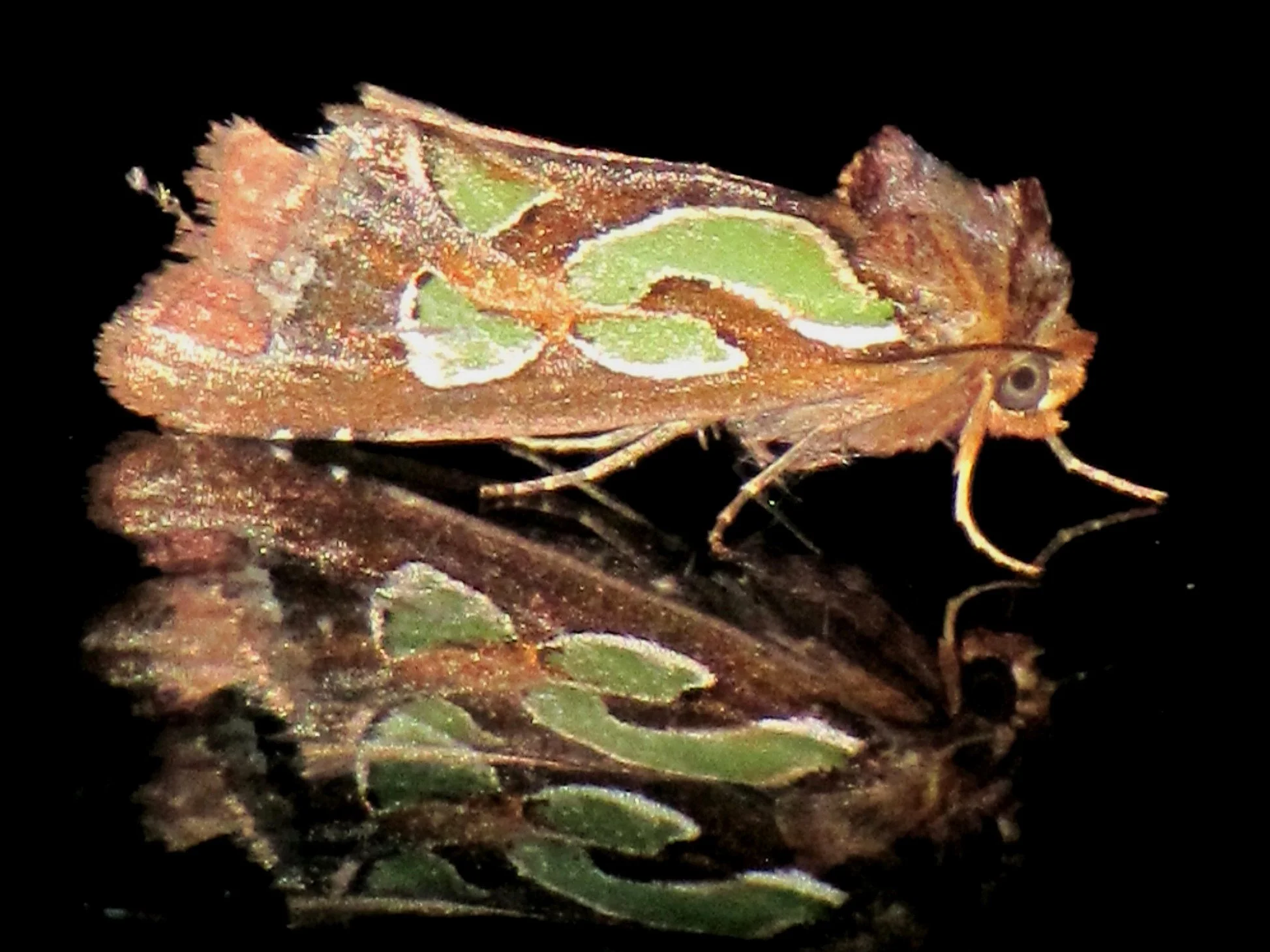
Prasinocyma semicrocea
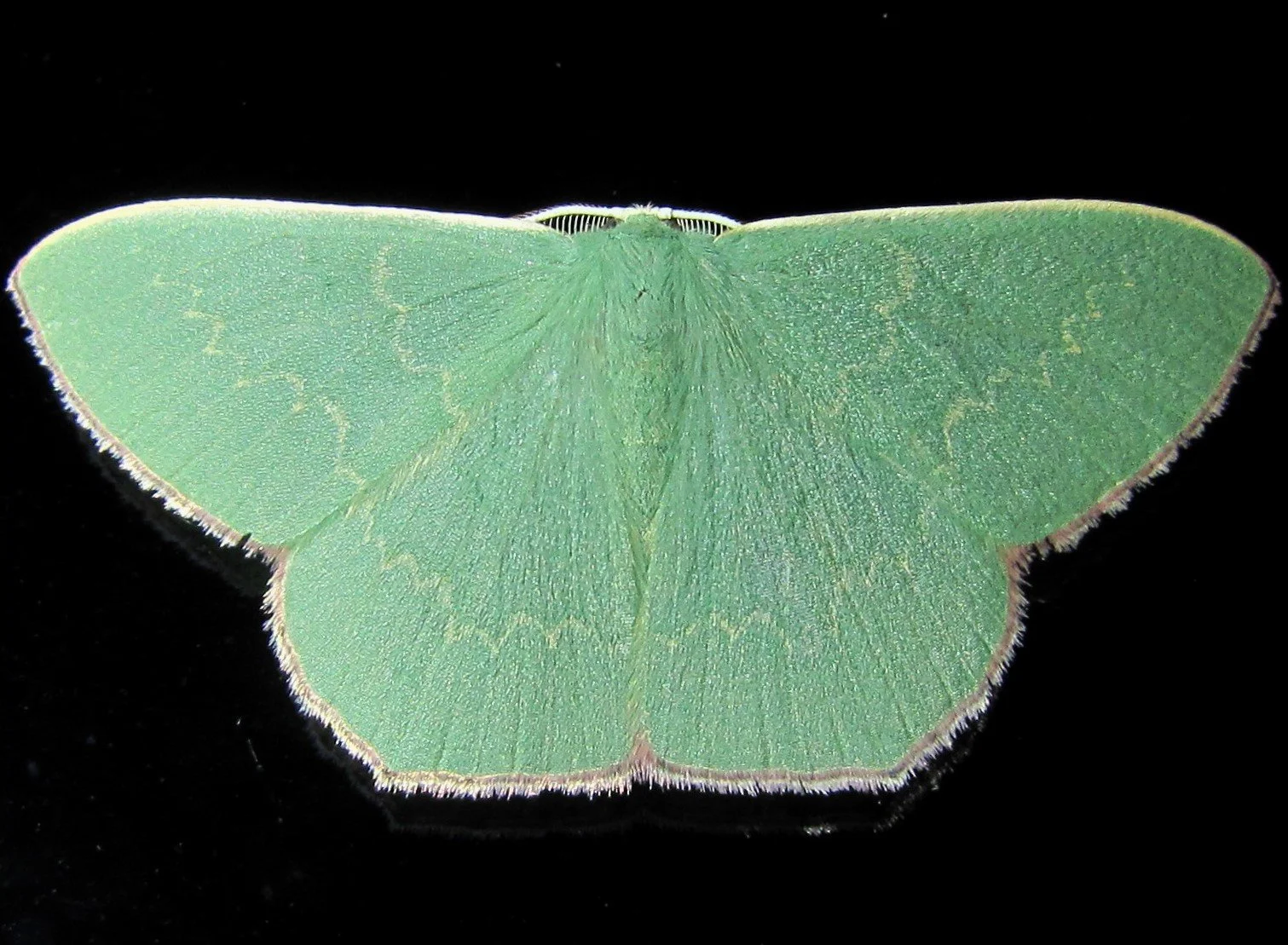
Prasinocyma semicrocea
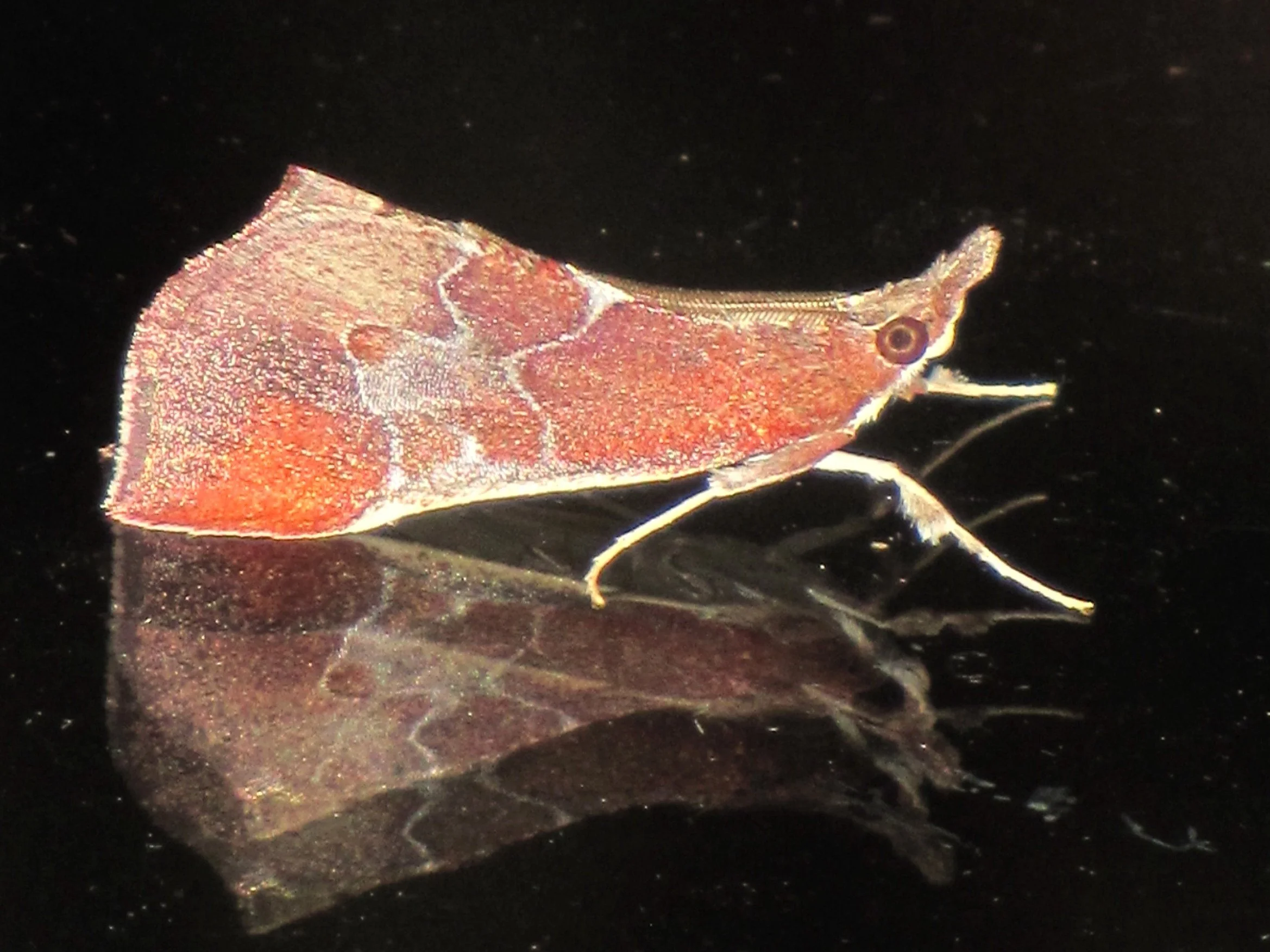
Anemosa exanthes
Quicklink - ELZ Moth & Butterfly List
Moths in the Bend – Frank Pierce
The Bend of Islands has a stunningly diverse range of moths. Over 450 species have been recorded since 2005. Given the high biodiversity of the Bend of Islands, some experts expect that the BoI moth list will eventually grow to over 600 species.
An excellent general reference is A Guide to Australian Moths by Paul Zborowski and Ted Edwards, 2007, see HERE
This gives a great introductory review of all aspect of the incredibly diverse range within Australia’s 20,000+ species of moths, with an insight to their biology, lifestyles and environmental importance.
It gives guidance to identification to family level but certainly not to genus or species level.
The book is currently only available as an eBook from CSIRO, so you might have to shop around if you want a hard copy.
The availability of digital cameras, with good macro settings, has made the world of ‘mothing’ more accessible to anyone who has an interest in nature.
Identification Challenges
Australia’s 800 bird species, and 400 butterfly species, all have accepted common names and lots of easily accessible resources to aid in their identification. The situation with moths is not so straightforward.
There are over 20,000 species of moths in Australia, and less than half of these have been named. The majority of moths are nocturnal, but one big advantage is that many of them are attracted to light.
Fortunately, resources for Identification have increased dramatically over the last decade. We now have
Moths of Victoria Series 1 to 9, by the Entomological Society of Victoria, HERE, with good details on each species. Unfortunately, there are at least another 7 books yet to be produced, so many species are not yet covered.
Good websites are very useful, such as;
iNaturalist now has an identification function, where you can load a photo and it will give ID options. It is important to log the location of your record, to restrict the options to look-a-like species that have been previously recorded in the vicinity. The accuracy of this facility has improved remarkably over the last year or so and will keep improving with more usage.
Alternatively, you can load your record to iNaturalist as ‘a moth’, and hope that one of the many enthusiasts will identify it for you. This is a good way for beginners to get started.
Recording Sightings
I photograph moths at my kitchen window most nights. It is ideally located facing down slope to a gully.
Occasionally, I use a moth sheet and a 250w Mercury-vapour light, which attracts many more species. I use this at home, off 240v power, or out in the bush using a generator.
I store my photos in ‘monthly’ folders, for ID processing when I get the time. I currently have a huge backlog of photos waiting to be processed.
I like to try and ID the moths using the resources mentioned above, but this can be very time-consuming and I’m now more regularly using the iNaturalist identification function.
Loading records to iNaturalist is a great way to be an active citizen scientist and add to the body of scientific knowledge. By doing this the record is automatically uploaded to the Atlas of Living Australia website and the Victorian Biodiversity Atlas. This data is particularly important given the current ‘insect extinction crisis’ that is sweeping the world and threatening our very existence.
Due to time constraints, I have generally only loaded one record per species at this stage, unless multiple records are of particular significance for the species.
ELZ Moth & Butterfly List is HERE
This provides a grid with a thumbnail photo of each species recorded in our local area.
Click on the word ‘observation’ below the thumbnail photo to open the observation link or links. Click on one of these to open the specific iNaturalist BoI record details, or
Click on the species title below the thumbnail photo to open the iNaturalist page for the species with general information and all records of that species.
Notes on this list:
I have identified over 450 moths in the BoI. The easiest way to generate a list that shows most of these, with easy access to record details, is by generating a list of records from BoI on iNaturalist.
iNaturalist uses large amounts of data to generate this list and we have to accept a few compromises for the pleasure of using this facility.-
The list is for Lepidoptera, that is, Moths and Butterflies. It is not feasible to easily delete the butterflies from the list generated by iNaturalist. 40 species of butterflies have been recorded in the BoI.
Some moths that I have identified do not currently have an accepted Genus name (according to the various references used) and these may not be included in this list.
If anyone has any additional species that they have recorded, please loadd them onto iNaturalist and they will automatically be added to the list (Or send me the detaiula and I’ll load it for you.
Feedback
If anyone finds an unusual moth, or needs some identification assistance, contact Frank Pierce at jmandfp@bigpond.com as a first step. Referral to others with better knowledge may be required!